

Zaviye · Coverage map · 2026-06-18 · from the archive
US-Iran agreement redraws Middle East, with Iran gaining and rivals alarmed.
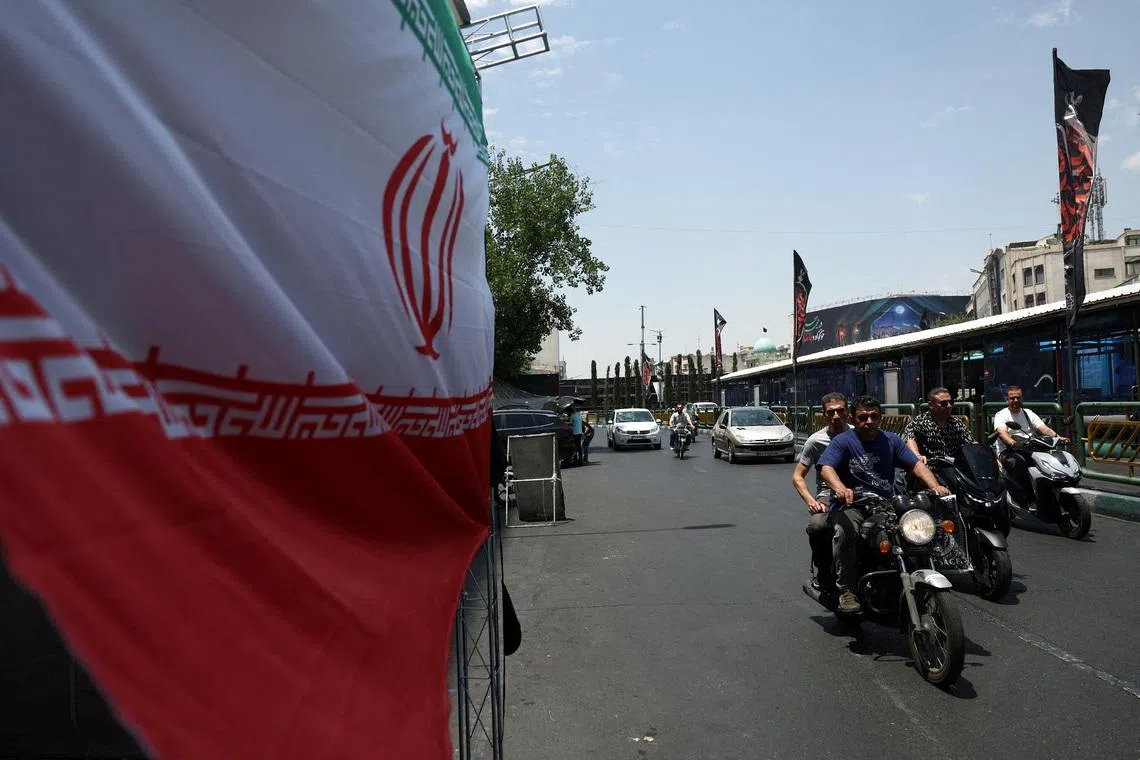
A new US-Iran agreement, the first between the two nations' presidents since 1979, is reshaping the Middle East, benefiting Iran.
3 sources across English · blind spot: little coverage from the right
Too few sources yet for a reliable bias read.
How outlets framed it
Left: Sources on the left frame the US-Iran deal as a significant shift that alarms rivals and potentially empowers Iran, while also highlighting Israeli obstructionism.
Center: Centrist sources report on the US-Iran agreement as a landmark event redrawing the Middle East, noting Iran's gains and the alarm of its rivals.
Right: Right-leaning sources suggest that President Trump, feeling humiliated by Iran, might escalate conflict in the Middle East and blame Israel for delays in a peace deal.
Key divergence: The primary divergence lies in the framing of the US-Iran deal, with left-leaning sources emphasizing Iran's gains and rivals' alarm, centrist sources focusing on the geopolitical redraw, and right-leaning sources suggesting potential conflict escalation and blame-shifting.
Source-by-source bias tags and translations live in the interactive view.
Reported by
Almonitor · Haaretz · Straitstimes