Zaviye · Coverage map · 2026-09-02 · from the archive
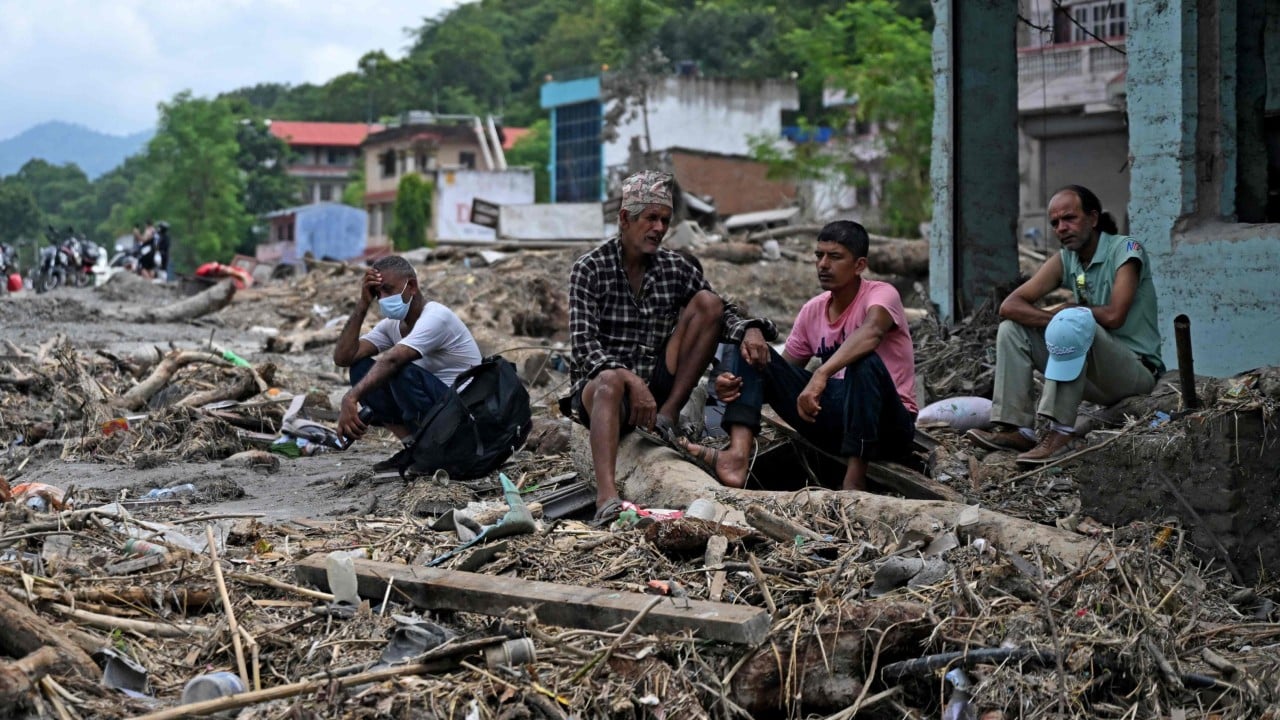
Recent floods in Nepal, exacerbated by climate change and a glacier collapse in the Himalayas, underscore the increasing frequency of climate-related disasters.
2 sources across English
Too few sources yet for a reliable bias read.
High factuality (mean credibility of the reporting outlets)
How outlets framed it
Left: Left-leaning coverage frames the Nepal floods as a direct consequence of climate change, highlighting the increasing frequency of such disasters and emphasizing the need for international climate compensation.
Center: Centrist reporting focuses on the factual details of the Nepal floods, including the death toll, missing persons, and the geographical scope of the disaster, while also noting Nepal's appeal for climate compensation.
Right: Right-leaning sources frame the Nepal floods within a geopolitical context, suggesting that the disaster exacerbates existing tensions between China and India and potentially fuels further conflict.
Key divergence: The main divergence is in the interpretation of the Nepal floods' implications, with left-leaning sources emphasizing climate change as the root cause and the need for compensation, while right-leaning sources highlight the potential for geopolitical conflict.
Reported by
Apnews · Scmp
Topics
More on Himalayas
All 31 →