Zaviye · Coverage map · 2026-09-30 · Trending
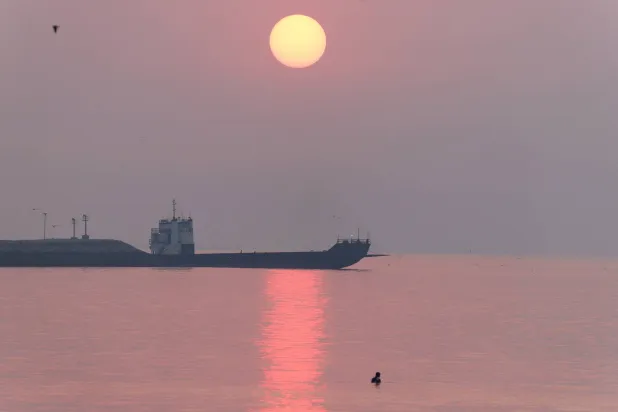
Middle East oil exports have increased, with a rise in LNG traffic through the Strait of Hormuz, amidst ongoing regional concerns.
Egypt's tourism sector saw a modest 3% increase in arrivals during the first half of 2026. This growth occurred against a backdrop of a significant 22% decline in tourism across the wider Middle East region, according to UN Tourism data. Meanwhile, Middle Eastern oil exports have risen, with increased LNG traffic through the Strait of Hormuz contributing to this trend.
The divergent performance of Egypt's tourism industry suggests a degree of resilience or specific market appeal, even as regional instability impacts broader travel patterns. The rise in oil exports and shipping activity points to ongoing geopolitical and economic currents shaping the region's energy markets.
6 sources across English · blind spot: little coverage from the left
Left 0% · Center 67% · Right 33%
High factuality (mean credibility of the reporting outlets)Latest report
Covered by language
How each side headlined it
How outlets framed it
Center: Several center-leaning sources report on economic and geopolitical developments in the Middle East, including rising oil prices due to supply concerns and increased LNG traffic through the Strait of Hormuz.
Right: Al-Ahram Online highlights a rise in Egyptian tourist arrivals despite a decline in regional tourism, while Kurdistan 24 notes world leaders speaking on Kurdistan and the Middle East.
The coverage
6 of the 6 articles behind this story, grouped by where the outlet sits on the spectrum. Links go to the publisher.
Topics
Up next
Live stories that share this one’s topics or places.
The Middle East oil benchmark. Moves on Hormuz risk, OPEC+ decisions and Gulf supply disruption.
European gas benchmark — the price Qatari and Israeli LNG competes into.
Global gas context against the European benchmark.
More on Middle East
All 415 →