Zaviye · Coverage map · 2026-10-14
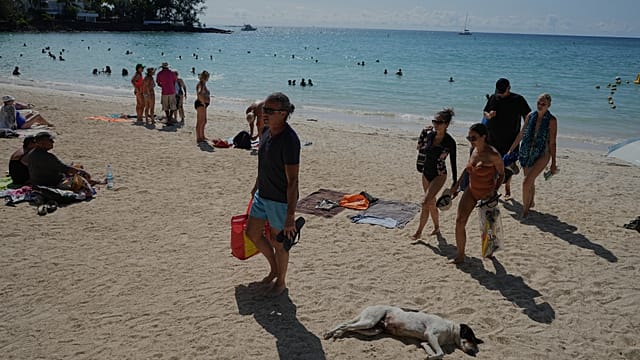
Mauritius imposed a curfew following days of unrest and riots, the worst since 1999, sparked by a police shooting.
Mauritius experienced its most significant civil unrest in decades following a police shooting that left a woman seriously injured. The disturbances, initially sparked by water shortages, escalated into widespread protests, prompting Prime Minister Navin Ramgoolam to impose a curfew and temporarily close schools. The events marked a rare eruption of public anger on the island nation.
The unrest recalls the riots of 1999, highlighting underlying social tensions. The government's response, including security measures and school closures, underscores the fragility of public order. The incident brings attention to the relationship between citizens and law enforcement in Mauritius.
4 sources across English · blind spot: little coverage from the right
Left 25% · Center 75% · Right 0%
High factuality (mean credibility of the reporting outlets)Latest report
Covered by language
“Residents of Mauritius were under curfew on Tuesday night in response to rare violent protests after a police officer shot and seriously injured a woman.”How each side headlined it
How outlets framed it
Left: Daily Maverick reports that Mauritius has temporarily closed schools following a night of unrest triggered by a police shooting.
Center: BBC, Africanews, and News24 report that Mauritius has imposed a curfew and is experiencing its worst riots in decades, following protests that initially began over water shortages and escalated after a police shooting.
The coverage
4 of the 4 articles behind this story, grouped by where the outlet sits on the spectrum. Links go to the publisher.
Prime Minister Navin Ramgoolam imposed a curfew after days of unrest that first began over water shortages.
Residents of Mauritius were under curfew on Tuesday night in response to rare violent protests after a police officer shot and seriously injured a woman.